
Offerings
CSS helps build stronger, more resilient organizations so they can continue serving their communities as the operating context shifts.
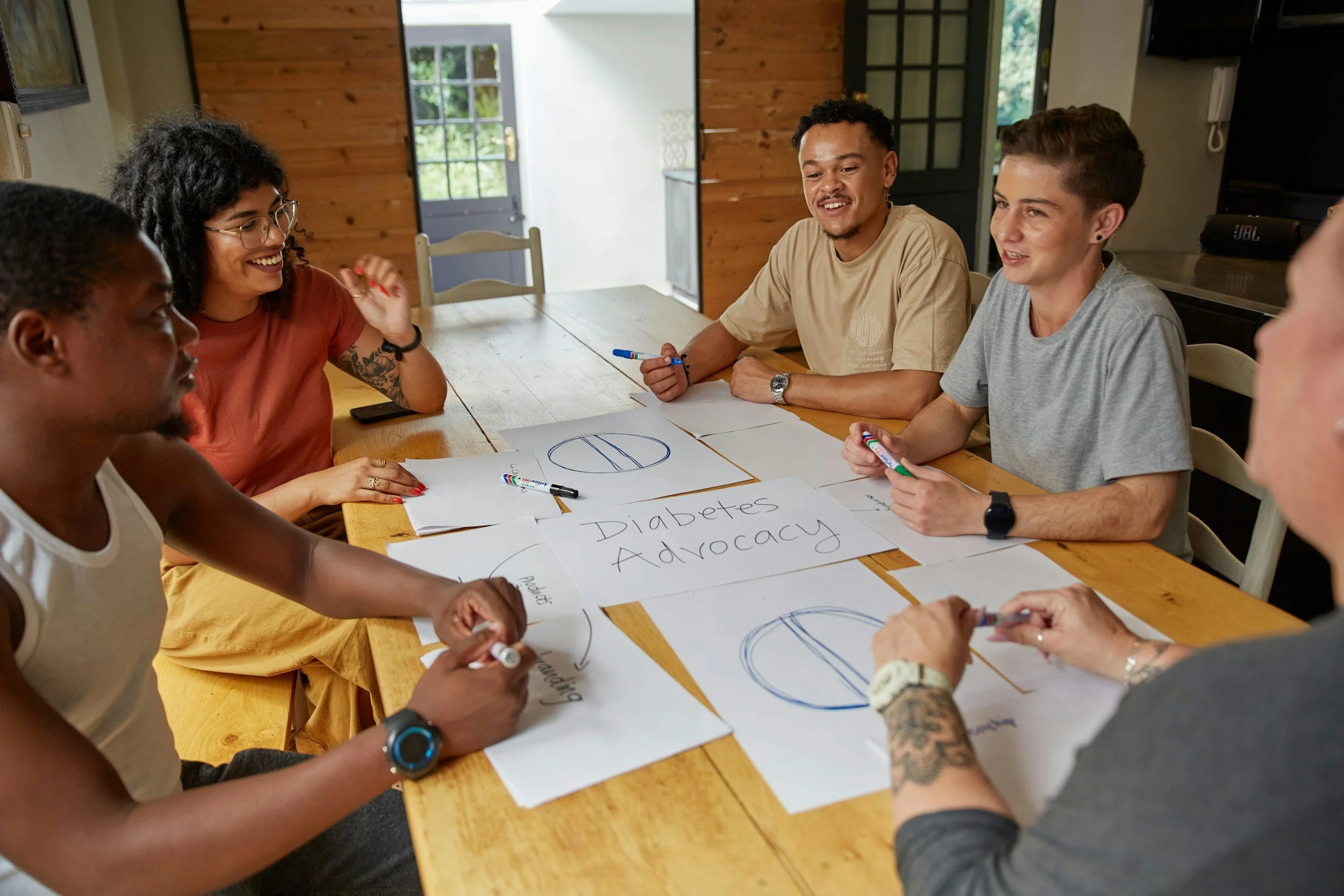
CSS facilitates workshops, provides embedded implementation support, and offers speaking engagements. Our approaches are practical, pressure tested, people-centered, and grounded in trust.
CSS’s partnership with Partners Global enables the use of the Resiliency+ Framework providing a menu of strategies, tools, and peer-to-peer assistance to help organizations strengthen their resilience to external changes and threats.
Navigating Uncertainty: Our Support Modules
Whether your organization is facing external regulatory pressure or internal strategy shifts, we offer three distinct pathways to strengthen your resilience, including with our strategic partner PartersGlobal. We offer multi-month embedded engagements in varying levels, tailored to your team's needs—from light-touch diagnostics to deep-dive adaptive planning.
High external pressure or internal uncertainty. You need to understand where you are most exposed before the rules shift again.
Vulnerability Assessments, Financial Viability Planning, and Risk-Aware Action Planning.
Rapidly changing environments. Your team needs new skills and a safe space to test strategies before they are deployed.
Scenario-Based Thinking, Strategic Communications, and Staff Wellbeing.
Isolation or fragmented efforts. You need stronger ties to the community to ensure you aren't navigating risks alone.
Ecosystem Mapping, Coalition-Building, and Digital/Physical Security coordination.
Finding Your Footing Under Pressure
A rapid readiness working session for nonprofit organizations, featuring an abridged version of our signature Finding Your Footing Under Pressure module for a cohort of 20-25 participants.
-
Organizations operating in uncertain conditions often feel pressure before they have clear orientation. This working session helps nonprofit leaders step back, surface core assumptions, and identify practical stabilizing moves.
In 2 hours, participants complete a guided readiness self-assessment, identify and stress test their key operating assumptions, and define stabilizing categories of action appropriate to their situation. The session introduces practical pressure-tested tools without attempting full diagnosis or planning.
Participants leave with a readiness snapshot, tested assumptions, and immediate categories of next steps they can consider with their teams.
This session is designed as an entry point to deeper scenario planning, ecosystem mapping, and non-traditional organizational readiness work.